
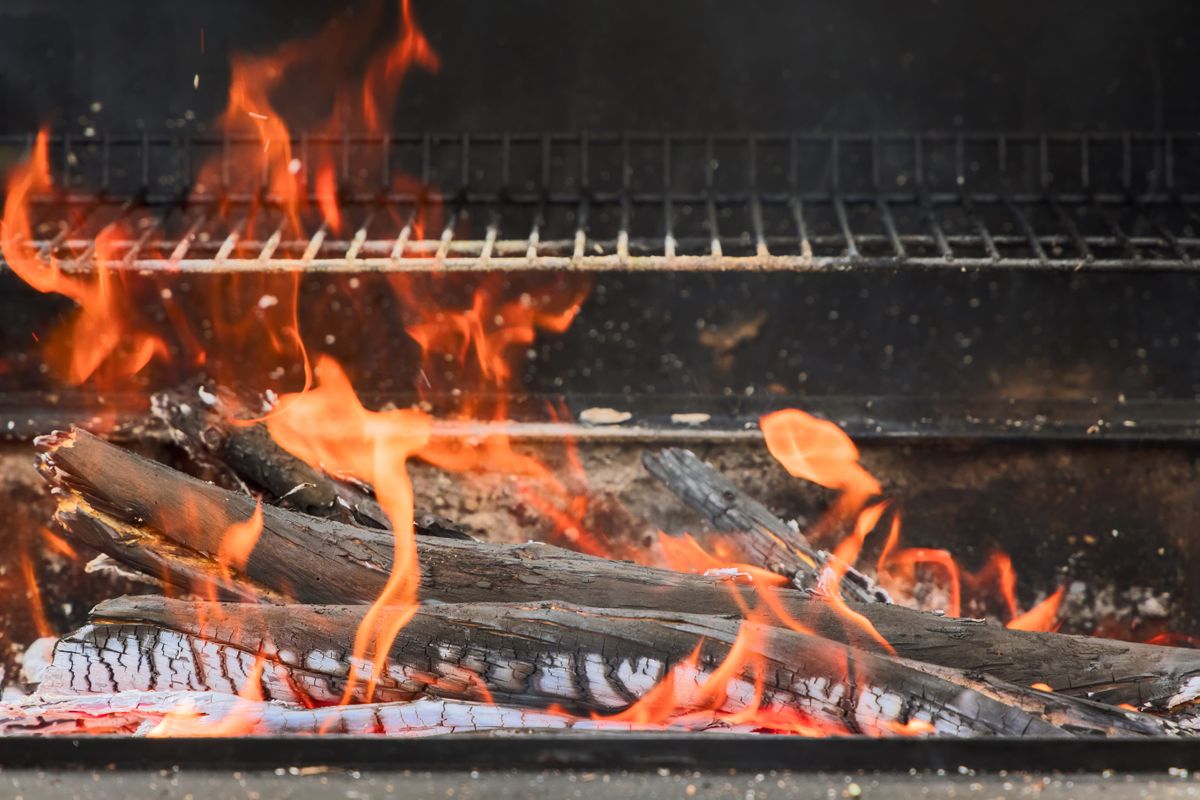
Mesquite is the most misunderstood wood in the Southwest. It gets blamed for bitter meat, overpowering smoke, and ruined cookouts; but the wood isn't the problem. Technique is. Used correctly, mesquite produces one of the most distinct and satisfying smoke profiles in BBQ. At Brooksies Patio Propane in Chandler, we work with grillers across the Valley who've learned to stop fighting mesquite and start cooking with it properly.
Mistake #1: Treating It Like a Low-and-Slow Wood
Mesquite burns hot, fast, and assertively. Most grillers make the mistake of reaching for it the same way they'd use oak or hickory, loading up a smoker for a four-hour pork shoulder and wondering why the result tastes like an ashtray.
According to AmazingRibs.com, mesquite's high lignin content means it releases intense combustion compounds quickly. Extended exposure at low temperatures concentrates those compounds into bitterness. Reserve it for high-heat, direct cooking (steaks, fajitas, lamb chops) where the cook time is short and the smoke does its job fast.
Mistake #2: Using Too Much Wood at Once
A full chimney of mesquite chunks will smoke out your food before it has a chance to cook. This is where most backyard grillers go wrong: more wood does not mean more flavor. It means more bitterness and an acrid smell that lingers on the meat.
One or two fist-sized chunks added to established coals is enough for most cooks. If you're using a gas grill, a small smoker box with a handful of chips, pre-soaked for 30 minutes, will give you a clean, controlled smoke hit without overwhelming the food.
Mistake #3: Buying Wood That Isn't Properly Seasoned
Wet or green mesquite doesn't behave the way seasoned wood does. It smolders instead of burns, produces white billowing smoke instead of thin blue smoke, and deposits creosote on your food and grill grates. The Chimney Safety Institute of America puts the ideal moisture threshold at below 20%: above that, you're not adding flavor, you're adding problems.
Most big-box stores don't disclose moisture content or sourcing on their firewood bundles. That's worth knowing before you buy. At Brooksies, the firewood we carry is properly seasoned and stored, which makes a measurable difference once it hits the coals.
Mistake #4: Pairing It with the Wrong Proteins
Mesquite's smoke profile is earthy, bold, and slightly bitter at the edges, which pairs beautifully with beef, lamb, and venison. Those proteins have enough fat and flavor intensity to hold their own. Chicken breasts, fish, and pork tenderloin don't, and mesquite will steamroll them.
If you want smoke flavor on lighter proteins, cut the mesquite with pecan or apple wood at a roughly 1:2 ratio. You get the Southwest character without the aggressive edge. It's a small adjustment that changes the result entirely.
Mistake #5: Ignoring How It Interacts with Propane
A common misconception is that propane and wood smoke are an either/or choice. They're not. A propane grill gives you the temperature control that mesquite's aggressive burn makes harder to manage on charcoal. Load a smoker box with mesquite chips, set it over a burner, and you can dial in smoke and heat independently, which is actually more precise than charcoal for most home grillers.
If your tank is running low, a quick propane refill in Phoenix or Mesa before your next cook is worth it. Running out mid-session with mesquite on the grill is a lesson most people only need once.
The Bottom Line on Mesquite
Mesquite has a well-earned reputation in Southwest BBQ — but that reputation was built by people who understood its limits. According to Serious Eats, wood selection and quality are among the highest-impact variables in backyard BBQ, often outweighing grill type or fuel source. Get those two things right and mesquite stops being the wood that ruined dinner and starts being the reason people ask you what your secret is.
Stop by Brooksies Patio Propane in Chandler for seasoned mesquite, propane refills, and the supplies to do it right.